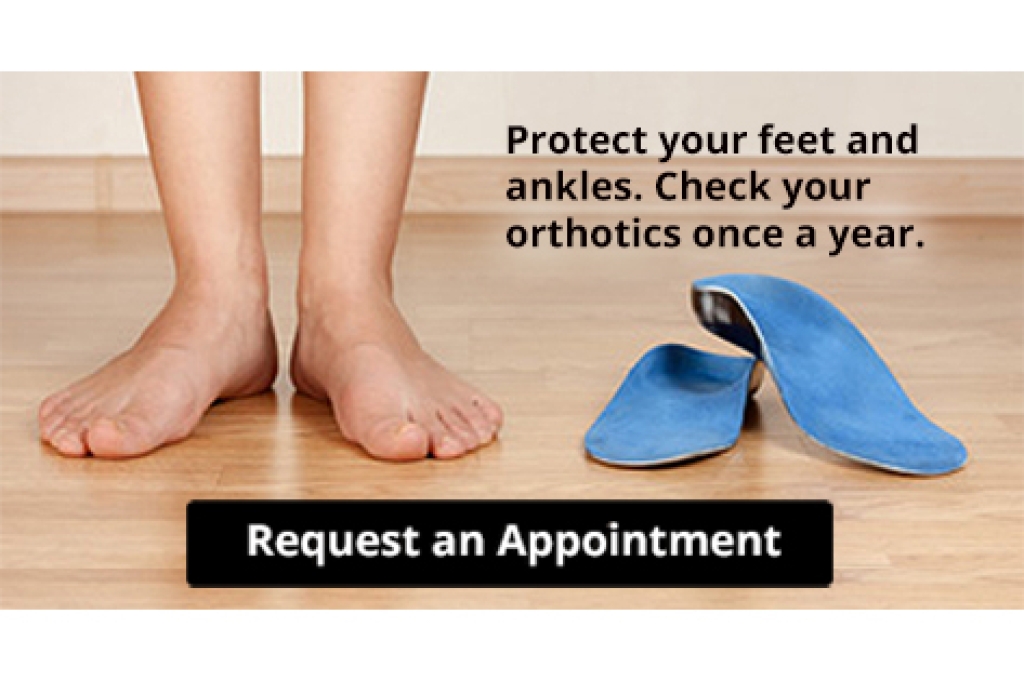
Custom orthotics, or shoe inserts, should be periodically replaced. Orthotics must fit properly to give you the best results. Protect your feet and ankles!
Custom orthotics, or shoe inserts, should be periodically replaced. Orthotics must fit properly to give you the best results. Protect your feet and ankles!
 Recent research has shown that when the body becomes stronger through stretching and exercise, the risk of falling may decrease. Performing proper stretching techniques may improve balance and this may greatly diminish the fear of falling. Walking has been known to be beneficial in maintaining proper balance in addition to practicing the Chinese martial arts that is known as tai chi. It’s important to properly take care of your feet by trimming the toenails correctly, and regularly visiting a podiatrist who can properly assess the general health of the feet. Conditions in the home may be improved by using non-slip rugs, installing brighter bulbs, and using a bar in the tub or shower area for increased stability. Medications may need to be reviewed on a routine basis in addition to having a vision test performed that will ensure you are seeing correctly. When these simple strategies are implemented, the fear of falling may disappear.
Preventing falls among the elderly is very important. If you are older and have fallen or fear that you are prone to falling, consult with Larry J. Kipp, DPM from Coastal Podiatry Center. Our doctor will assess your condition and provide you with quality advice and care.
Every 11 seconds, an elderly American is being treated in an emergency room for a fall related injury. Falls are the leading cause of head and hip injuries for those 65 and older. Due to decreases in strength, balance, senses, and lack of awareness, elderly persons are very susceptible to falling. Thankfully, there are a number of things older persons can do to prevent falls.
How to Prevent Falls
Some effective methods that older persons can do to prevent falls include:
Falling can be a traumatic and embarrassing experience for elderly persons; this can make them less willing to leave the house, and less willing to talk to someone about their fears of falling. Doing such things, however, will increase the likelihood of tripping or losing one’s balance. Knowing the causes of falling and how to prevent them is the best way to mitigate the risk of serious injury.
If you have any questions, please feel free to contact our office located in New Port Richey, FL . We offer the newest diagnostic and treatment technologies for all your foot care needs.
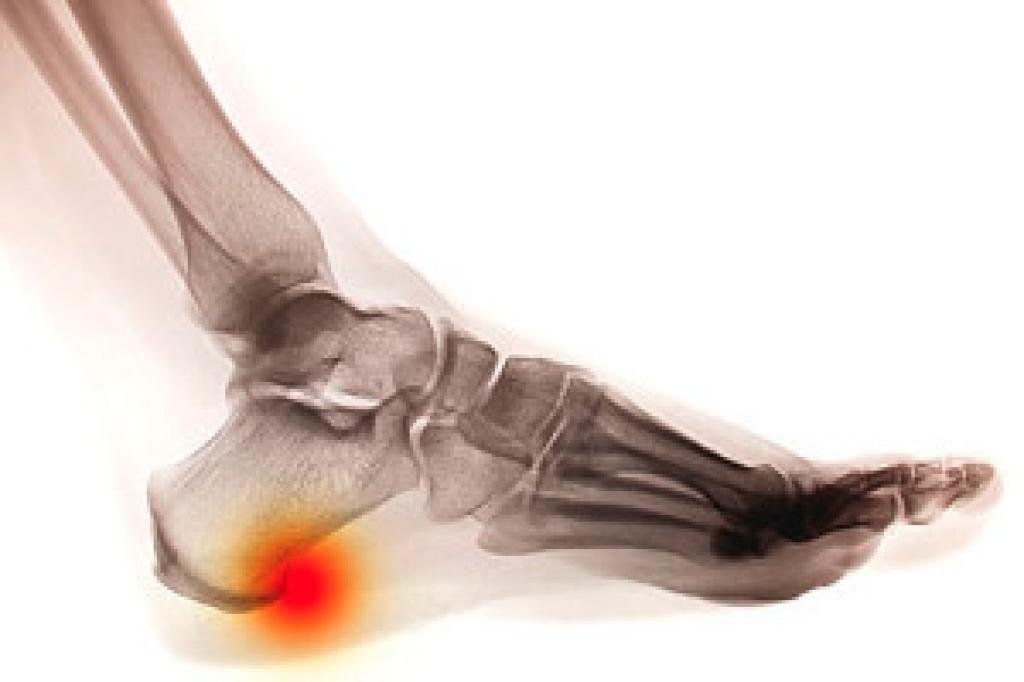 A heel spur is known to be an uncomfortable and painful condition which develops in the heel of the foot and will typically affect the surrounding area. It is a small bony protrusion that grows in between the heel and the arch, and is often referred to as “heel spur syndrome.” If you are afflicted with this condition, there may be strong symptoms indicating its existence, including a sharp pain in the heel, which may be especially prominent in the morning, severe tenderness, or a consistent ache that may often be felt throughout the day. Research has shown that age may play a significant role in the formation of heel spurs and the pads in the heels may wear down as a result of this. This may cause diminished shock absorption in the heel which may cause this ailment to develop. If you would like additional information about heel spurs, a podiatrist can help you with a proper diagnosis and suggest correct treatment options.
Heel spurs can be incredibly painful and sometimes may make you unable to participate in physical activities. To get medical care for your heel spurs, contact Larry J. Kipp, DPM from Coastal Podiatry Center. Our doctor will do everything possible to treat your condition.
Heels Spurs
Heel spurs are formed by calcium deposits on the back of the foot where the heel is. This can also be caused by small fragments of bone breaking off one section of the foot, attaching onto the back of the foot. Heel spurs can also be bone growth on the back of the foot and may grow in the direction of the arch of the foot.
Older individuals usually suffer from heel spurs and pain sometimes intensifies with age. One of the main condition's spurs are related to is plantar fasciitis.
Pain
The pain associated with spurs is often because of weight placed on the feet. When someone is walking, their entire weight is concentrated on the feet. Bone spurs then have the tendency to affect other bones and tissues around the foot. As the pain continues, the feet will become tender and sensitive over time.
Treatments
There are many ways to treat heel spurs. If one is suffering from heel spurs in conjunction with pain, there are several methods for healing. Medication, surgery, and herbal care are some options.
If you have any questions, please feel free to contact our office located in New Port Richey, FL . We offer the newest diagnostic and treatment technologies for all your foot care needs.
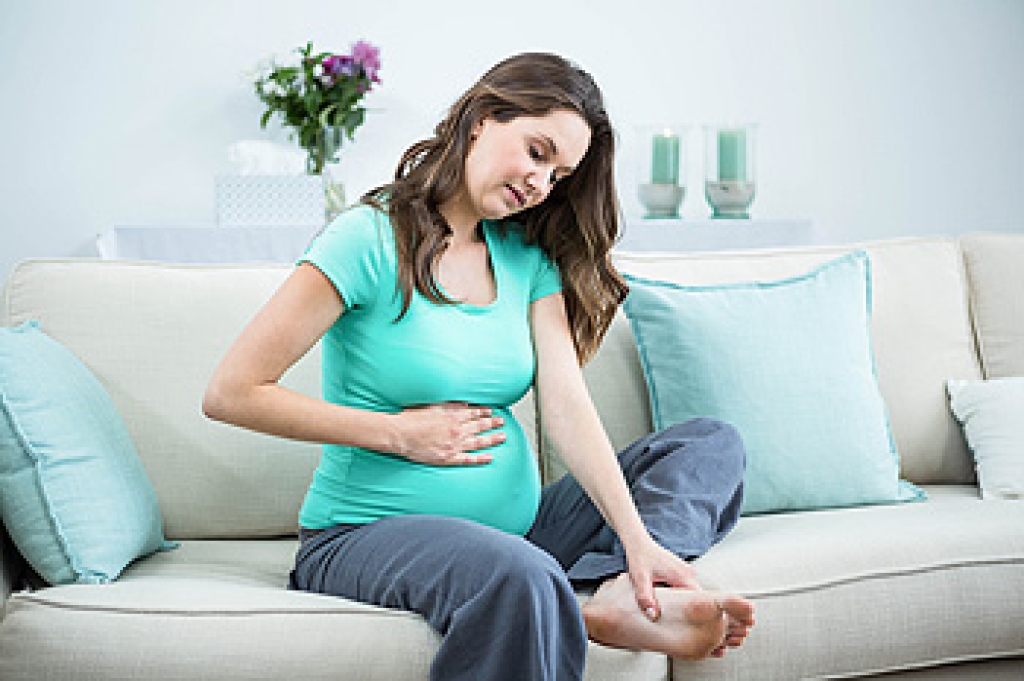 It’s common for pregnant women to complain about foot pain or swollen feet. Developing flat feet is equally as common, and this is typically a result of the excess weight that is gained from the developing fetus. Research has shown that this may affect a women’s center of gravity, which may alter overall posture. Despite the fact that most of these uncomfortable ailments may diminish after pregnancy, there are ways to minimize the discomfort they cause. These may include elevating the feet above the heart, which may aid in improving circulation in the early stages of pregnancy. It is beneficial to eat a well-balanced and healthy diet, which involves lower salt content. This can possibly eliminate excess fluid from accumulating. It’s also suggested to sleep on your side rather than on your back. Practicing gentle exercises may aid the decrease of fluid retention. Please consult with a podiatrist for additional information on how pregnancy affects your feet.
Pregnant women with swollen feet can be treated with a variety of different methods that are readily available. For more information about other cures for swollen feet during pregnancy, consult with Larry J. Kipp, DPM from Coastal Podiatry Center. Our doctor will attend to all of your foot and ankle needs.
What Foot Problems Can Arise During Pregnancy?
One problem that can occur is overpronation, which occurs when the arch of the foot flattens and tends to roll inward. This can cause pain and discomfort in your heels while you’re walking or even just standing up, trying to support your baby.
Another problem is edema, or swelling in the extremities. This often affects the feet during pregnancy but tends to occur in the later stages.
How Can I Keep My Feet Healthy During Pregnancy?
If you have any questions, please feel free to contact our office located in New Port Richey, FL . We offer the newest diagnostic and treatment technologies for all your foot care needs.
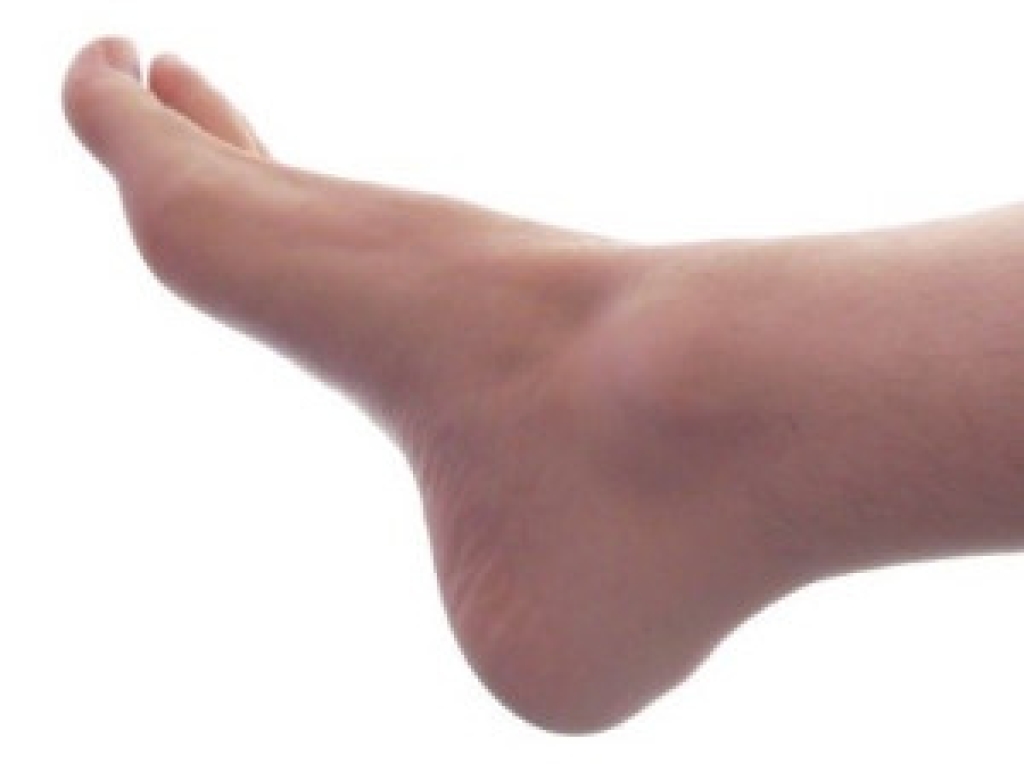 People who are physically active will often feel the effects of corns on the feet. This condition is generally caused by repetitive friction and will commonly develop on the pinky toe. Despite the fact that the formation of corns is the body's natural defense mechanism, it often produces severe pain and discomfort. The affected area becomes thicker as a measure to protect the skin. This develops into a corn, and is typically caused by wearing shoes that fit incorrectly. Additionally, soft corns may develop between the toes as a result of excess moisture that may accumulate. This may often be the result of wearing socks that are not made of a breathable material. Corns may disappear when the correct shoes are worn but if severe pain is experienced from a corn, please consult with a podiatrist.
If you have any concerns regarding your feet and ankles, contact Larry J. Kipp, DPM of Coastal Podiatry Center. Our doctor will treat your foot and ankle needs.
Corns: What Are They? and How Do You Get Rid of Them?
Corns can be described as areas of the skin that have thickened to the point of becoming painful or irritating. They are often layers and layers of the skin that have become dry and rough, and are normally smaller than calluses.
Ways to Prevent Corns
There are many ways to get rid of painful corns such as wearing:
Treating Corns
Treatment of corns involves removing the dead skin that has built up in the specific area of the foot. Consult with Our doctor to determine the best treatment option for your case of corns.
If you have any questions, please feel free to contact our office located in New Port Richey, FL . We offer the newest diagnostic and treatment technologies for all your foot care needs.

