
Blog
Why High Heels Can Harm Your Feet

High heels may look stylish, but they place excessive strain on the front of the foot, forcing the toes and forefoot to carry most of the body’s weight. Over time, this pressure can lead to pain, bunions, hammertoes, and inflammation. Wearing heels also causes the muscles at the back of the foot and calf to shorten, which affects balance, posture, and overall foot function. Tight calf muscles can increase the risk of plantar fasciitis, Achilles discomfort, and long term mobility issues. A podiatrist can evaluate your foot structure, offer pain relief options, recommend proper footwear, and create a personalized plan to protect your feet. If you have foot pain from wearing high heels, it is suggested that you consult a podiatrist who can treat various foot conditions, and guide you on more suitable shoes to wear.
High heels have a history of causing foot and ankle problems. If you have any concerns about your feet or ankles, contact Larry J. Kipp, DPM from Coastal Podiatry Center. Our doctor can provide the care you need to keep you pain-free and on your feet.
Effects of High Heels on the Feet
High heels are popular shoes among women because of their many styles and societal appeal. Despite this, high heels can still cause many health problems if worn too frequently.
Which Parts of My Body Will Be Affected by High Heels?
- Ankle Joints
- Achilles Tendon – May shorten and stiffen with prolonged wear
- Balls of the Feet
- Knees – Heels cause the knees to bend constantly, creating stress on them
- Back – They decrease the spine’s ability to absorb shock, which may lead to back pain. The vertebrae of the lower back may compress.
What Kinds of Foot Problems Can Develop from Wearing High Heels?
- Corns
- Calluses
- Hammertoe
- Bunions
- Morton’s Neuroma
- Plantar Fasciitis
How Can I Still Wear High Heels and Maintain Foot Health?
If you want to wear high heeled shoes, make sure that you are not wearing them every day, as this will help prevent long term physical problems. Try wearing thicker heels as opposed to stilettos to distribute weight more evenly across the feet. Always make sure you are wearing the proper shoes for the right occasion, such as sneakers for exercising. If you walk to work, try carrying your heels with you and changing into them once you arrive at work. Adding inserts to your heels can help cushion your feet and absorb shock. Full foot inserts or metatarsal pads are available.
If you have any questions, please feel free to contact our office located in New Port Richey, FL . We offer the newest diagnostic and treatment technologies for all your foot care needs.
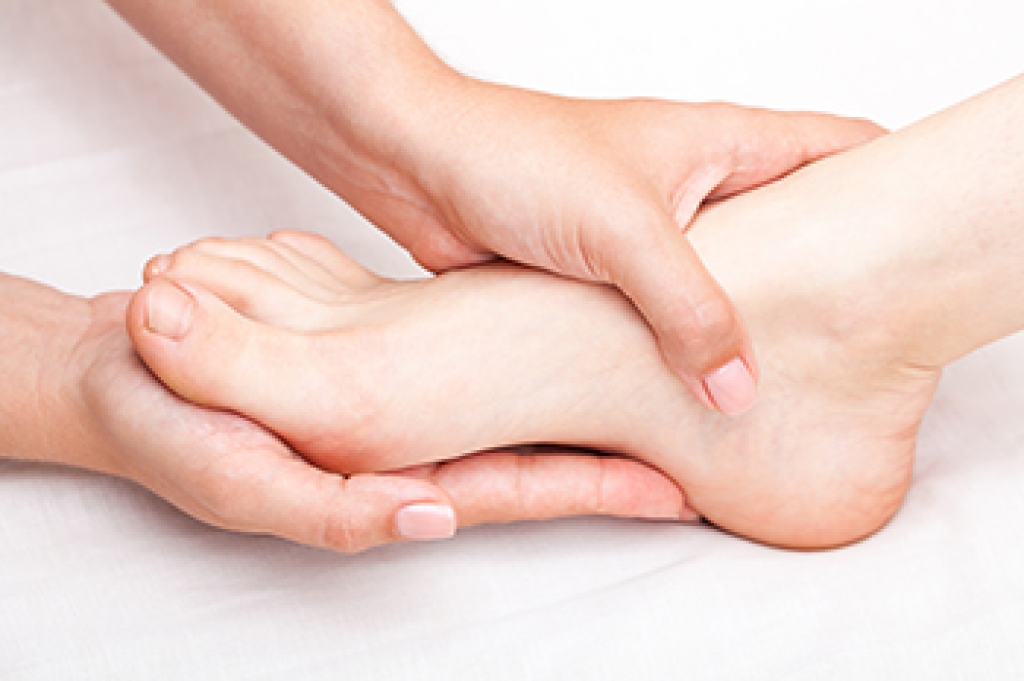
A Podiatrist’s Role in Relieving Ankle Pain

Ankle pain is discomfort that affects the joint connecting the foot and lower leg, an area that supports movement of the toes and calves while allowing stability during daily activities. Symptoms can include swelling, tenderness, changes in gait, deformity of the ankle, difficulty moving the ankle or toes, and an inability to bear weight. These issues may come from injury, arthritis, or structural problems. A podiatrist can evaluate the joint, provide a precise diagnosis, offer treatments that improve mobility, reduce pain, and prevent further injury. If you have ankle pain, it is suggested that you seek expert podiatric care to restore comfort and function, beginning your path to relief.
Ankle pain can be caused by a number of problems and may be potentially serious. If you have ankle pain, consult with Larry J. Kipp, DPM from Coastal Podiatry Center. Our doctor will assess your condition and provide you with quality foot and ankle treatment.
Ankle pain is any condition that causes pain in the ankle. Due to the fact that the ankle consists of tendons, muscles, bones, and ligaments, ankle pain can come from a number of different conditions.
Causes
The most common causes of ankle pain include:
- Types of arthritis (rheumatoid, osteoarthritis, and gout)
- Ankle sprains
- Broken ankles
- Achilles tendonitis
- Achilles tendon rupture
- Stress fractures
- Bursitis
- Tarsal tunnel syndrome
- Plantar fasciitis
Symptoms
Symptoms of ankle injury vary based upon the condition. Pain may include general pain and discomfort, swelling, aching, redness, bruising, burning or stabbing sensations, and/or loss of sensation.
Diagnosis
Due to the wide variety of potential causes of ankle pain, podiatrists will utilize a number of different methods to properly diagnose ankle pain. This can include asking for personal and family medical histories and of any recent injuries. Further diagnosis may include sensation tests, a physical examination, and potentially x-rays or other imaging tests.
Treatment
Just as the range of causes varies widely, so do treatments. Some more common treatments are rest, ice packs, keeping pressure off the foot, orthotics and braces, medication for inflammation and pain, and surgery.
If you have any questions please feel free to contact our office located in New Port Richey, FL . We offer the newest diagnostic tools and technology to treat your foot and ankle needs.
Risks and Causes of MTP Joint Pain

The toes are connected to the long bones of the foot with metatarsophalangeal, or MTP, joints. These joints are essential for balance and forward motion while walking. Pain in this area, most often in the big toe, develops when the joint is exposed to excess stress, poor alignment, or conditions that cause inflammation. Common causes include bunions, turf toe, and certain forms of arthritis like gout, osteoarthritis, and rheumatoid arthritis. MTP joint problems can lead to swelling, stiffness, and tenderness that make it difficult to walk or stand comfortably. Risk factors include chronic inflammatory disease and foot or leg misalignment. Wearing shoes that lack adequate support or place pressure on the toes, such as high heels or narrow footwear, are other factors. A podiatrist can assess the underlying cause and provide effective treatment to reduce pain and improve alignment. If you have ongoing pain in an MTP joint, it is suggested that you make an appointment with a podiatrist for an exam and treatment options.
Toe pain can disrupt your daily activities. If you have any concerns, contact Larry J. Kipp, DPM of Coastal Podiatry Center. Our doctor can provide the care you need to keep you pain-free and on your feet.
What Causes Toe Pain?
Most severe toe pain is caused due to a sports injury, trauma from dropping something heavy on the toe, or bumping into something rigid. Other problems can develop over time for various reasons.
Toe pain can be caused by one or more ailments. The most common include:
- Trauma
- Sports injury
- Wearing shoes that are too tight
- Arthritis
- Gout
- Corns and calluses
- Hammertoe
- Bunions
- Blisters
- Ingrown toenails
- Sprains
- Fractures (broken bones)
- Dislocations
When to See a Podiatrist
- Severe pain
- Persistent pain that lasts more than a week
- Signs of infection
- Continued swelling
- Pain that prevents walking
Diagnosis
In many cases the cause of toe pain is obvious, but in others, a podiatrist may want to use more advanced methods to determine the problem. These can range from simple visual inspections and sensation tests to X-rays and MRI scans. Prior medical history, family medical history, and any recent physical traumatic events will all be taken into consideration for a proper diagnosis.
Treatment
Treatments for toe pain and injuries vary and may include shoe inserts, padding, taping, medicines, injections, and in some cases, surgery. If you believe that you have broken a toe, please see a podiatrist as soon as possible.
If you have any questions please contact our office located in New Port Richey, FL . We offer the newest diagnostic and treatment technologies for all your foot and ankle needs.
When Arthritis Affects Your Feet

Arthritis in the feet can make each step feel heavier and more painful than the last. It often begins with stiffness in the morning or after sitting, followed by aching or swelling surrounding the joints of the toes, midfoot, or ankle. The pain may feel sharp during movement or dull and throbbing by the end of the day. As the condition progresses, joints can lose flexibility, making it harder to walk, climb stairs, or fit into regular shoes. Some people notice warmth, redness, or bony bumps forming around the affected areas. Because arthritis can worsen over time, early diagnosis is important. A podiatrist can assess joint health, recommend supportive footwear, custom orthotics, or anti-inflammatory treatments, and suggest gentle exercises to maintain mobility. If you have joint pain in your feet or ankles, it is suggested that you consult a podiatrist for relief options.
Arthritis can be a difficult condition to live with. If you are seeking treatment, contact Larry J. Kipp, DPM from Coastal Podiatry Center. Our doctor can provide the care you need to keep you pain-free and on your feet.
Arthritic Foot Care
Arthritis is a joint disorder that involves the inflammation of different joints in your body, such as those in your feet. Arthritis is often caused by a degenerative joint disease and causes mild to severe pain in all affected areas. In addition to this, swelling and stiffness in the affected joints can also be a common symptom of arthritis.
In many cases, wearing ill-fitting shoes can worsen the effects and pain of arthritis. Wearing shoes that have a lower heel and extra room can help your feet feel more comfortable. In cases of rheumatoid arthritis, the arch in your foot may become problematic. Buying shoes with proper arch support that contour to your feet can help immensely.
Alleviating Arthritic Pain
- Exercises that stretch the foot can prevent further pain and injury and increase mobility
- Most of the pain can be alleviated with anti-inflammatory drugs, heat, and topical medications
- Massages can help temporarily alleviate pain.
It is best to see your doctor for the treatment that is right for your needs and symptoms. Conditions vary, and a podiatrist can help you determine the right method of care for your feet.
If you have any questions please feel free to contact our office located in New Port Richey, FL . We offer the newest diagnostic tools and technology to treat your foot and ankle needs.