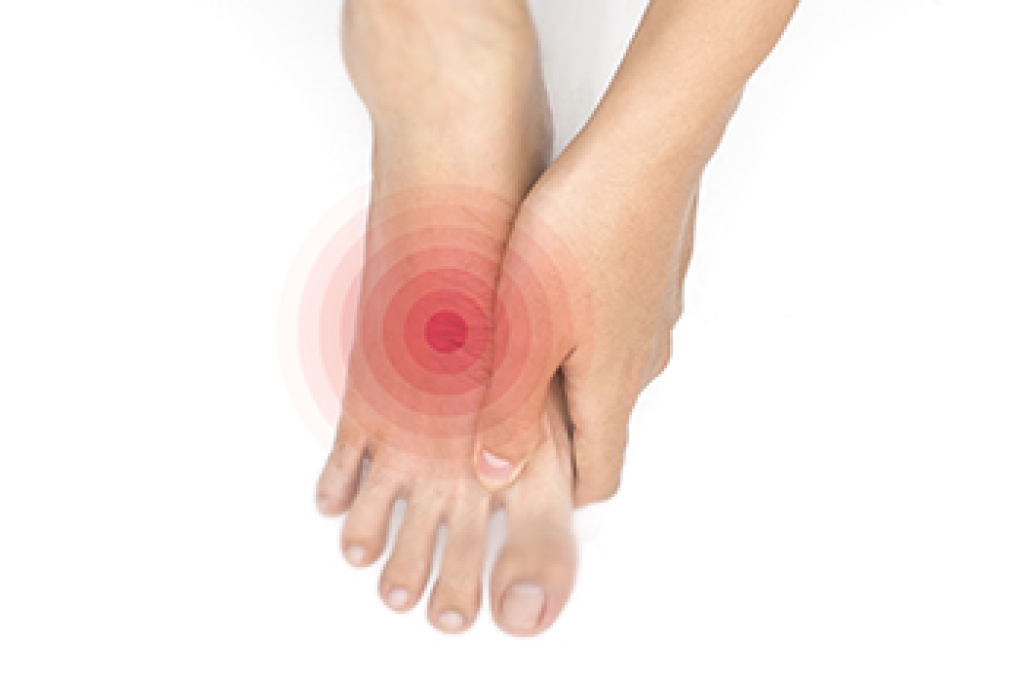
Neuropathy affects the nerves that carry messages between the brain, spinal cord, and the rest of the body. When nerves in the feet become damaged, they may no longer send normal signals about touch, temperature, or pain. Diabetes is a major cause of peripheral neuropathy, especially when blood sugar stays elevated. High blood sugar may damage small blood vessels that supply the nerves, affecting their ability to function. Symptoms often begin in the toes and spread through the feet as nerve damage progresses. Some individuals experience discomfort, while others lose sensation unknowingly. Because the feet support daily movement, reduced nerve function can create additional risks. Understanding diabetic neuropathy is important for recognizing changes early.
The symptoms of neuropathy vary widely. Burning pain, tingling, and numbness are common complaints, especially at night. Some people describe sharp sensations or unusual sensitivity when their feet are touched. Others have difficulty feeling pressure beneath their feet, which may affect balance while walking. Loss of protective sensation is particularly concerning because a person may not notice a blister or small injury. Without normal pain signals, irritation may continue and skin damage may worsen. Nerve damage can also affect the muscles that support the feet, contributing to changes in foot shape or walking patterns. Symptoms often develop gradually and may affect both feet. However, the absence of pain does not mean the nerves are functioning normally. Regular evaluation helps identify reduced sensation and other changes that affect foot health.
A podiatrist plays an important role in evaluating neuropathy and protecting the feet from serious complications. During an examination, the podiatrist checks skin condition, circulation, and sensation to identify nerve-related changes. The assessment may also include evaluating foot shape and areas exposed to excessive pressure. For individuals with diabetic neuropathy, podiatric care focuses on detecting skin problems early and reducing the risk of unnoticed injuries. Depending on the findings, treatment may include protective footwear, pressure-relieving inserts, or monitoring of vulnerable areas. A podiatrist also evaluates existing wounds and develops a care plan for each patient. Although damaged nerves may not fully recover, ongoing foot care helps address complications that threaten comfort and mobility. If you are experiencing numbness, burning, or reduced sensation in your feet, it is suggested that you consult a podiatrist for an evaluation and appropriate treatment options.
Neuropathy
Neuropathy can be a potentially serious condition, especially if it is left undiagnosed. If you have any concerns that you may be experiencing nerve loss in your feet, consult with Larry J. Kipp, DPM from Coastal Podiatry Center. Our doctor will assess your condition and provide you with quality foot and ankle treatment for neuropathy.
What Is Neuropathy?
Neuropathy is a condition that leads to damage to the nerves in the body. Peripheral neuropathy, or neuropathy that affects your peripheral nervous system, usually occurs in the feet. Neuropathy can be triggered by a number of different causes. Such causes include diabetes, infections, cancers, disorders, and toxic substances.
Symptoms of Neuropathy Include:
- Numbness
- Sensation loss
- Prickling and tingling sensations
- Throbbing, freezing, burning pains
- Muscle weakness
Those with diabetes are at serious risk due to being unable to feel an ulcer on their feet. Diabetics usually also suffer from poor blood circulation. This can lead to the wound not healing, infections occurring, and the limb may have to be amputated.
Treatment
To treat neuropathy in the foot, podiatrists will first diagnose the cause of the neuropathy. Figuring out the underlying cause of the neuropathy will allow the podiatrist to prescribe the best treatment, whether it be caused by diabetes, toxic substance exposure, infection, etc. If the nerve has not died, then it’s possible that sensation may be able to return to the foot.
Pain medication may be issued for pain. Electrical nerve stimulation can be used to stimulate nerves. If the neuropathy is caused from pressure on the nerves, then surgery may be necessary.
If you have any questions, please feel free to contact our office located in New Port Richey, FL . We offer the newest diagnostic and treatment technologies for all your foot care needs.

